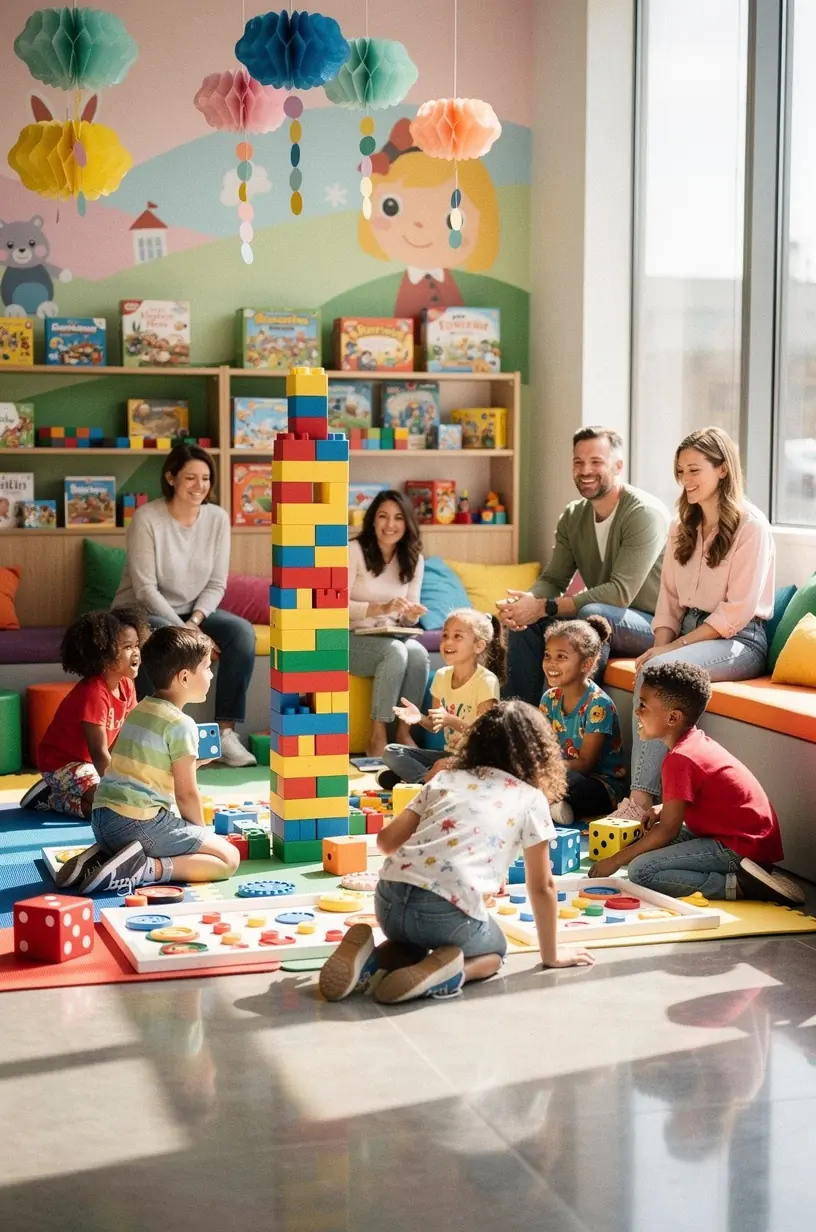
The Role of Social Interaction in Hybrid Entertainment
As hybrid entertainment hubs continue to emerge, blending board games, mini-exhibitions, and quest-style interactive experiences, the importance of social interaction becomes increasingly evident. This article explores how social interaction enhances the overall experience in these unique entertainment spaces, contributing to both individual enjoyment and community building.
Understanding the Basics
The concept of hybrid entertainment hubs is rooted in the idea of creating immersive experiences that engage participants on multiple levels. According to recent research by the Entertainment Design Collaborative, environments that foster social connections can enhance user satisfaction and engagement. These hubs often integrate various elements—such as board games that require teamwork and exhibitions that spark conversation—to create a dynamic social atmosphere.
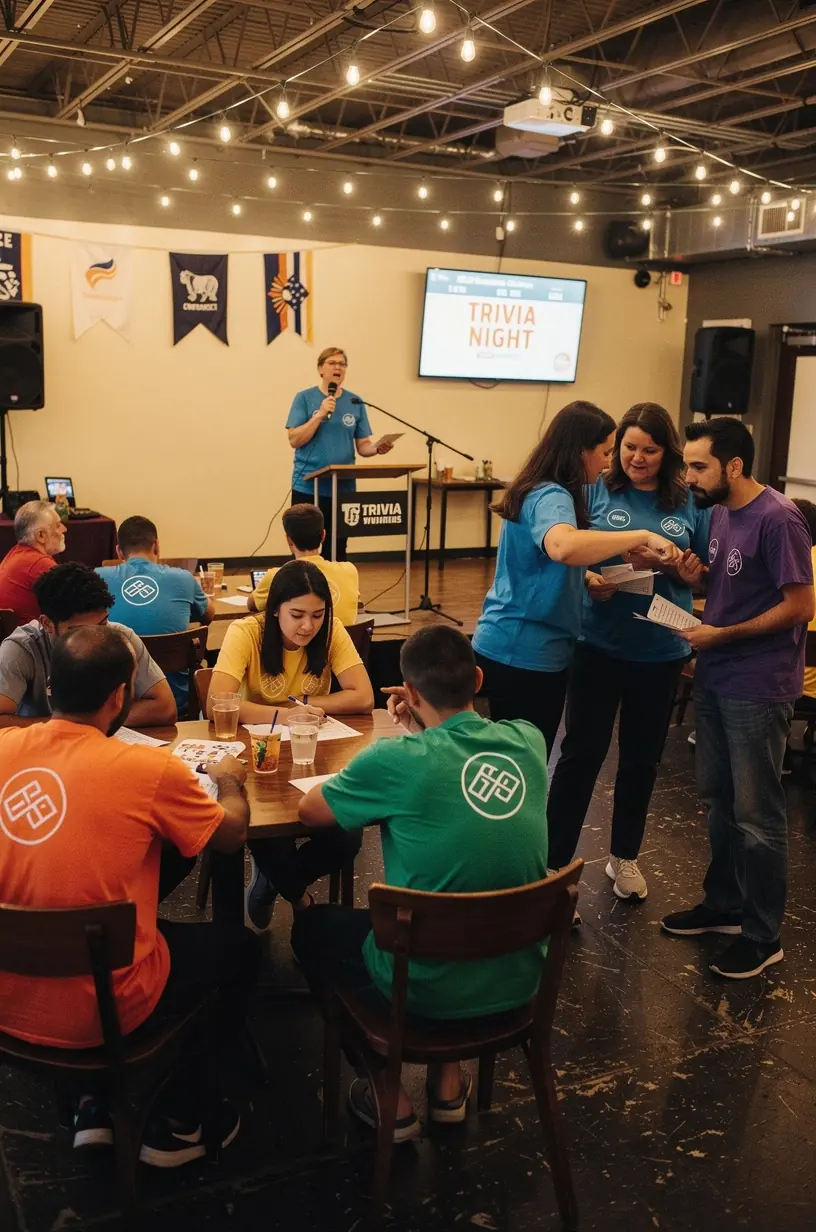
"Social interaction plays a critical role in enhancing the entertainment experience, creating bonds and memories that are often cherished long after the event." - Entertainment Design Collaborative
Why Social Interaction Matters
Social interaction is essential in hybrid entertainment hubs for several reasons:
- Enhanced Enjoyment: Studies show that participants who engage in social activities typically report higher levels of enjoyment. By collaborating or competing with friends, guests often experience a sense of camaraderie that enhances the fun.
- Community Building: Many users find that shared experiences in these settings foster a sense of belonging. According to sociological research, being part of a community can improve overall well-being and satisfaction.
- Increased Retention: Engaging in social interactions can lead to higher retention rates for experiences. Research indicates that individuals are more likely to return to venues where they felt a connection with others.
Practical Applications in Hybrid Entertainment
To maximize the benefits of social interaction in hybrid entertainment hubs, consider the following practical applications:
- Design Interactive Spaces: Ensure that the layout encourages mingling and collaborative games, promoting interactions among guests. This often involves creating designated areas for group activities.
- Facilitate Group Activities: Implement events that require teamwork or friendly competition, like tournament-style game nights, which can significantly enhance social engagement.
- Offer Workshops and Exhibitions: Many users appreciate educational experiences that allow for group participation, such as collaborative art exhibits or hands-on workshops, which can also serve as tools for learning and connection.
Challenges and Considerations
While the benefits of social interaction are clear, it's important to acknowledge some limitations:
- Varied User Preferences: Not all guests thrive in social settings; some may prefer solitary activities. It’s essential to offer a range of entertainment options to cater to diverse preferences.
- Time Commitment: Organizing events that encourage social interaction typically requires significant planning and resources. Creating a robust schedule of interactive events can take time and necessitates ongoing dedication.
- Maintenance of Engagement: Keeping participants engaged throughout their visit may require continual innovation, as users might lose interest if experiences become repetitive.
Conclusion
In conclusion, social interaction is not just an added bonus in hybrid entertainment hubs; it is a critical component that significantly enhances the user experience. By understanding its role and implementing strategies to encourage social engagement, these venues can create memorable experiences that keep guests coming back. While it requires effort and thoughtful design, the positive effects on community building and user satisfaction make it a worthwhile investment in the hybrid entertainment landscape.