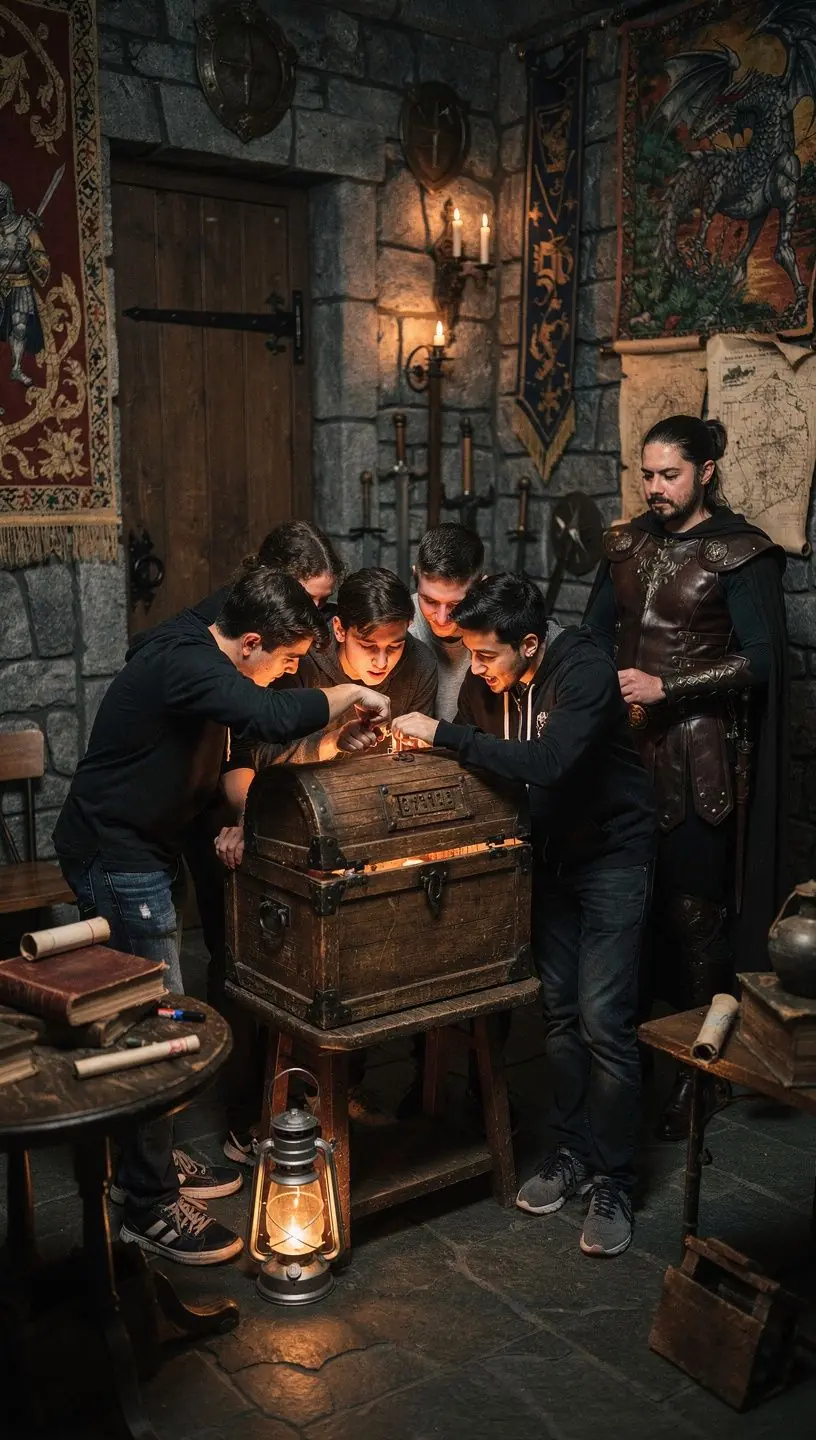
Understanding Audience Engagement in Interactive Experiences
Interactive experiences, especially in hybrid entertainment hubs that combine board games, mini-exhibitions, and quest-style activities, have gained popularity in recent years. Understanding how to effectively engage your audience is crucial for creating memorable and enjoyable experiences that encourage repeat visits and positive word-of-mouth.
Understanding the Basics of Audience Engagement
Audience engagement refers to the ways in which visitors interact with and respond to interactive experiences. According to research from the Institute for Interactive Entertainment, effective audience engagement strategies can lead to higher satisfaction rates and longer duration of visits. Engagement typically involves a combination of emotional connection, cognitive involvement, and social interaction.

"Engagement is not just about participation; it’s about creating meaningful connections that resonate with visitors." - Industry Expert
Key Factors Influencing Engagement
- Storytelling: Many users report that a compelling narrative enhances their overall experience. Studies show that storytelling can improve engagement by as much as 30% in interactive settings.
- Interactivity: Interactive elements, such as hands-on activities or gamification, often motivate visitors to participate more actively. This can involve puzzles or challenges that require teamwork, which not only entertains but also fosters social connections.
- Personalization: Tailoring experiences to the preferences of visitors can significantly boost engagement. Research indicates that personalized experiences can lead to a 25% increase in visitor retention.
Implementing Engagement Strategies
To effectively engage your audience, consider the following actionable strategies:
- Create a Welcoming Atmosphere: First impressions matter. A warm, inviting environment encourages visitors to explore and engage more freely.
- Encourage Participation: Design activities that require input from all participants. For instance, in a board game setting, strategies that necessitate collaboration can enhance the social aspect of the experience.
- Solicit Feedback: Regularly ask for visitor feedback to understand what works and what doesn’t. This can guide future improvements and help tailor experiences to audience needs.
Acknowledging Limitations
While the aforementioned strategies can be effective, it’s important to recognize that they often require time and effort to implement. Creating a fully engaging environment typically takes several weeks of planning and testing. Moreover, not every strategy will work for every audience; adaptability is key.
Conclusion
Understanding audience engagement in interactive experiences is essential for success in hybrid entertainment hubs. By focusing on storytelling, interactivity, and personalization, you can create memorable experiences that resonate with visitors. Remember, the goal is to foster meaningful connections that encourage return visits and positive experiences. As you implement these strategies, keep in mind that the journey of understanding your audience is ongoing, requiring continuous adaptation and refinement.