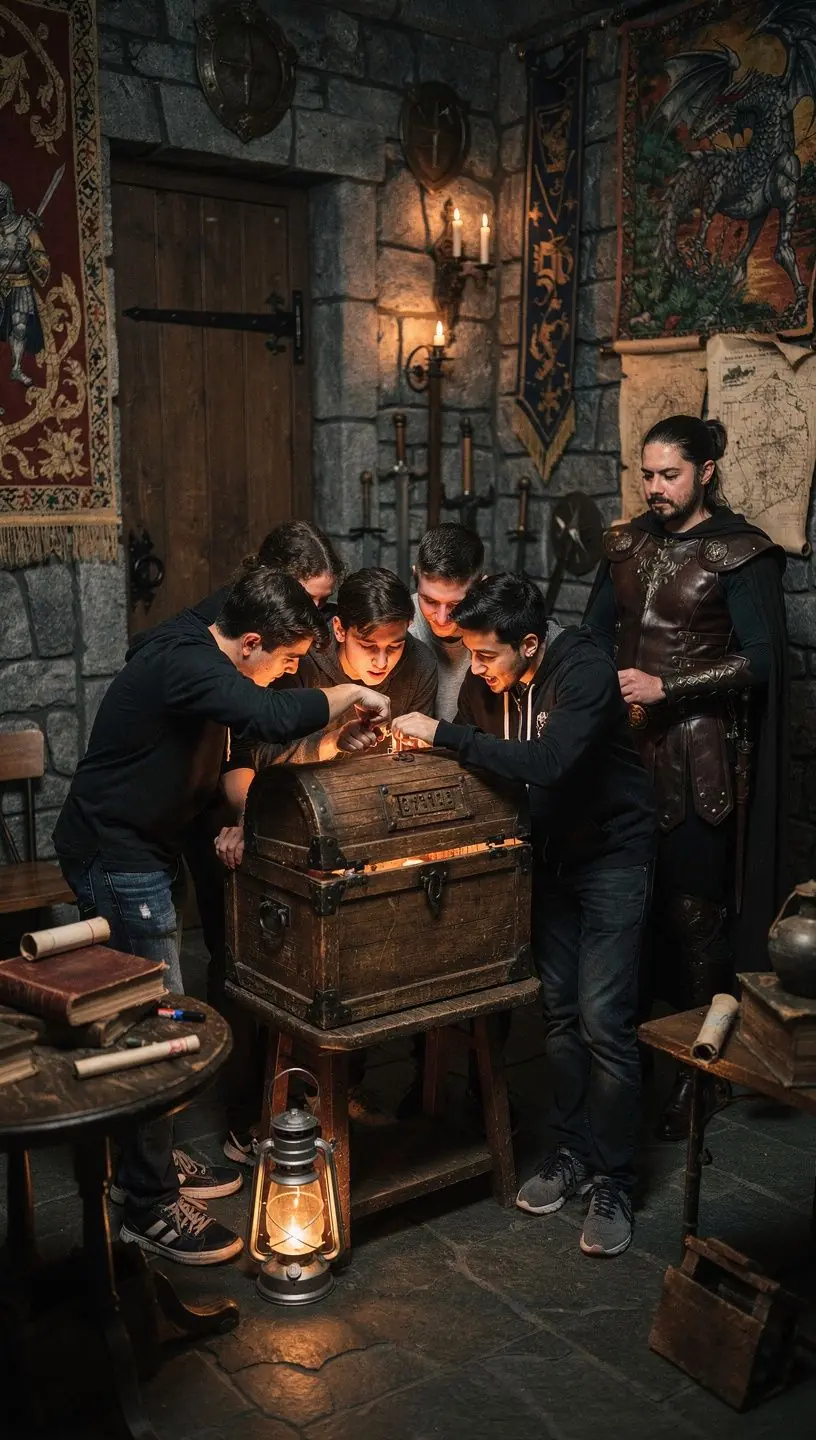
Design Principles for Effective Game-Based Learning
In recent years, game-based learning has gained traction as an innovative approach to education, particularly within the context of hybrid entertainment hubs. By integrating board games, mini-exhibitions, and interactive quest-style experiences, these hubs offer unique opportunities for learning. This article outlines key design principles that can enhance the effectiveness of game-based learning environments.
Understanding the Fundamentals of Game-Based Learning
Game-based learning (GBL) leverages the intrinsic motivation associated with games to promote engagement and retention of knowledge. According to research, GBL can improve learning outcomes by fostering active participation and critical thinking skills. Experts recommend that design elements be carefully considered to create an effective learning experience.

"Game-based learning environments can significantly encourage problem-solving and collaboration among learners." – Education Research Journal
Key Design Principles
- Player Agency: Allowing players to make meaningful choices within the game can enhance their sense of ownership over the learning process. Studies indicate that when learners feel their decisions matter, engagement increases.
- Clear Objectives: Establishing clear learning objectives is vital. According to industry best practices, games that align with specific educational goals tend to yield better results.
- Feedback Mechanisms: Providing timely and constructive feedback is crucial for growth. Research shows that immediate feedback can help learners correct mistakes and reinforce understanding.
- Challenge and Skill Balance: Balancing the difficulty of tasks with the learner's skill level is essential. The concept of the "flow state," as described by psychologist Mihaly Csikszentmihalyi, suggests that learners perform best when challenges match their capabilities.
Practical Application in Hybrid Hubs
When designing learning experiences within hybrid entertainment hubs, it’s important to incorporate these principles thoughtfully. For instance:
- Begin with a needs assessment. This typically takes 1-2 weeks and involves gathering insights from potential users to understand their interests and educational needs.
- Create prototypes of game elements. This iterative process may require several rounds of testing and feedback but helps in refining the overall experience.
- Implement pilot sessions. Conducting initial tests with small groups can reveal practical challenges and areas for improvement, allowing you to adjust before a full launch.
Acknowledge Limitations
While game-based learning has many benefits, it is not without its challenges. Developing a well-designed experience often involves a significant investment of time and effort. This process can take anywhere from a few weeks to several months, depending on the complexity of the game mechanics and the depth of content involved. Additionally, GBL may not be suitable for all learning objectives, especially those requiring straightforward information transfer.
Conclusion
Incorporating effective design principles into game-based learning environments can significantly enhance educational outcomes. By understanding the fundamentals and applying these principles within hybrid entertainment hubs, educators and designers can create engaging and educational experiences. While challenges exist, the potential for fostering a collaborative and interactive learning environment is substantial. By prioritizing user engagement and aligning with educational goals, game-based learning can become a valuable tool in the modern educational landscape.
Learn More